
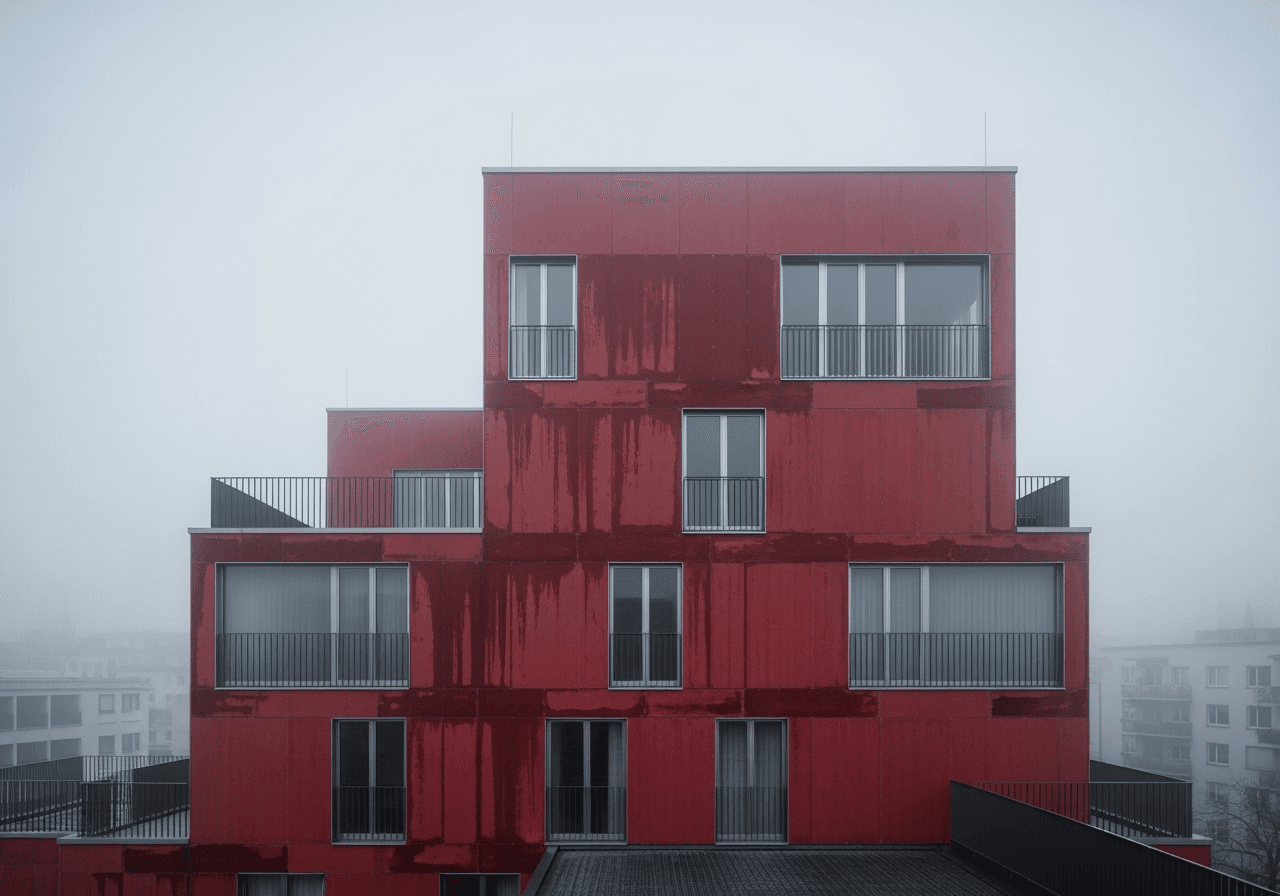
How do diffusion models work in AI architectural visualization?
Diffusion models are the foundation of modern AI architectural visualization. Vizera AI uses them to generate realistic images from noise – specially trained for Swiss architecture.
How generative AI works in architecture
When architects or designers work with Vizera AI today, they are using cutting-edge technology in the background: so-called diffusion models. These models form the core of many AI systems used for architectural visualization, interior design, and design – including at Vizera.
What is a diffusion model?
A diffusion model is a form of generative Artificial Intelligence. It works similarly to reversing image noise: The AI first learns what images look like and how to gradually transform them into random noise. Then, it trains to reverse this process – generating a realistic image from pure noise. This creates a completely new image based on learned patterns.
How we use diffusion models for architecture
At Vizera AI, we specifically train our models with Swiss architecture so they understand local materials, lighting conditions, and styles. When a user inputs a sketch, concept, or description, the diffusion process begins: A precise, realistic architectural visualization image gradually emerges from noise. The style remains controllable – from modern-minimalist to traditional-alpine.
Why diffusion models are so powerful
This technology can generate details that impress even experienced 3D artists. Facades, materials, light, and shadows appear natural because the AI has learned how they appear in real architectural photos. It does not work with templates, but generates each image anew – based on statistical probabilities and millions of training examples.
Simply explained: From noise to space
You can imagine it like fog slowly clearing: A building, a room, or a landscape gradually emerges from blurry points. At Vizera, this process takes only a few seconds. Thanks to our optimized models, like the Flux Pro Ultra, photorealistic results are created with Swiss precision – efficient, secure, and professional.
Why this is relevant for Swiss architects
Swiss architecture emphasizes quality, lighting design, and material honesty. Our diffusion models respect exactly that. They are not just global AI systems, but models specially trained for the Swiss architectural scene. This allows us to deliver results that are local, realistic, and culturally appropriate – developed in Switzerland, for Switzerland.
Enjoyed this article?
Share it with your network and help others discover Vizera AI.
Read More ArticlesRelated Articles
Read More Articles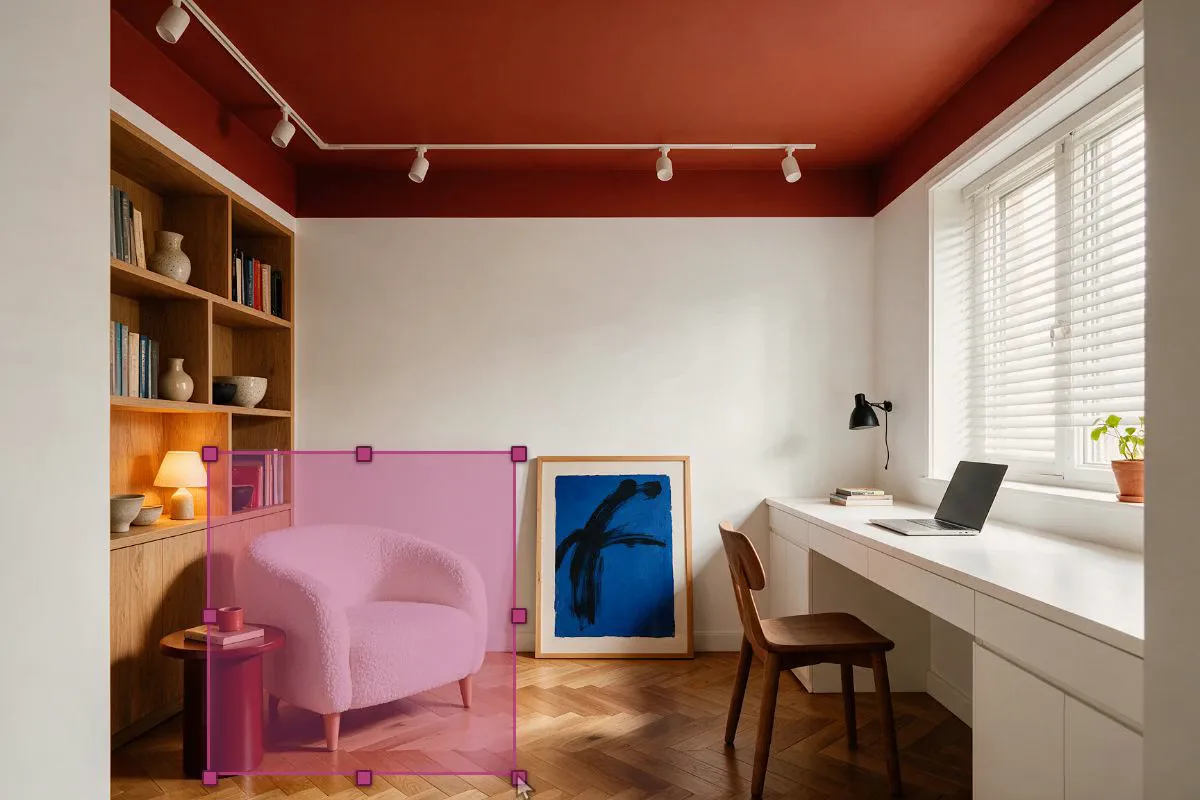
New in Vizera: Masking — change one detail, not the whole image
With the new masking you change exactly the marked area — furniture, materials, plants or people. Perspective, architecture and lighting stay untouched.
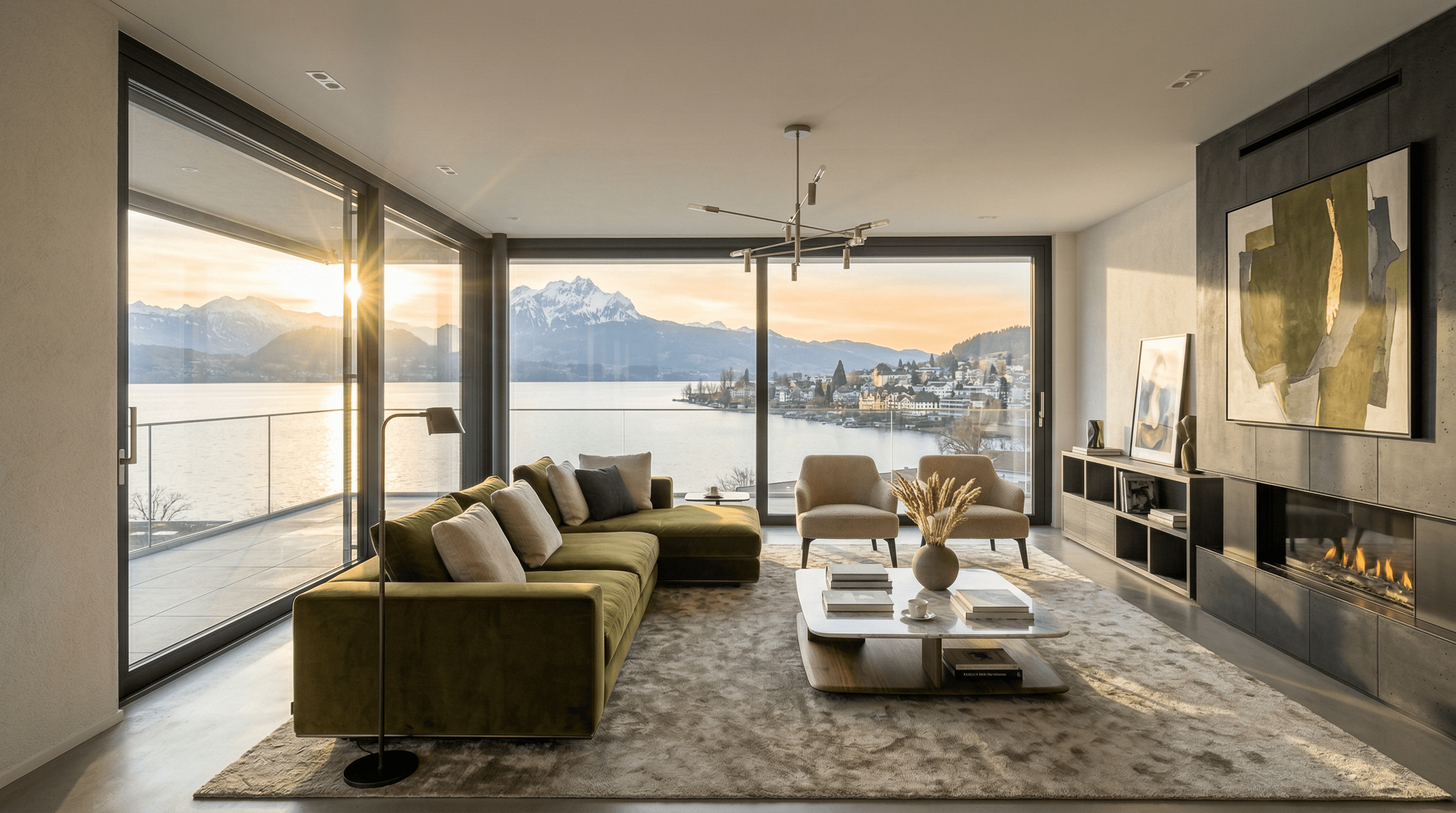
Banana Nano 2 Now on Vizera AI – How We Use Google's New Image Model
Vizera AI is among the first platforms to integrate Google's latest image model Banana Nano 2. Even more precise architecture visualizations, 4K resolution and real-time rendering – made in Switzerland.
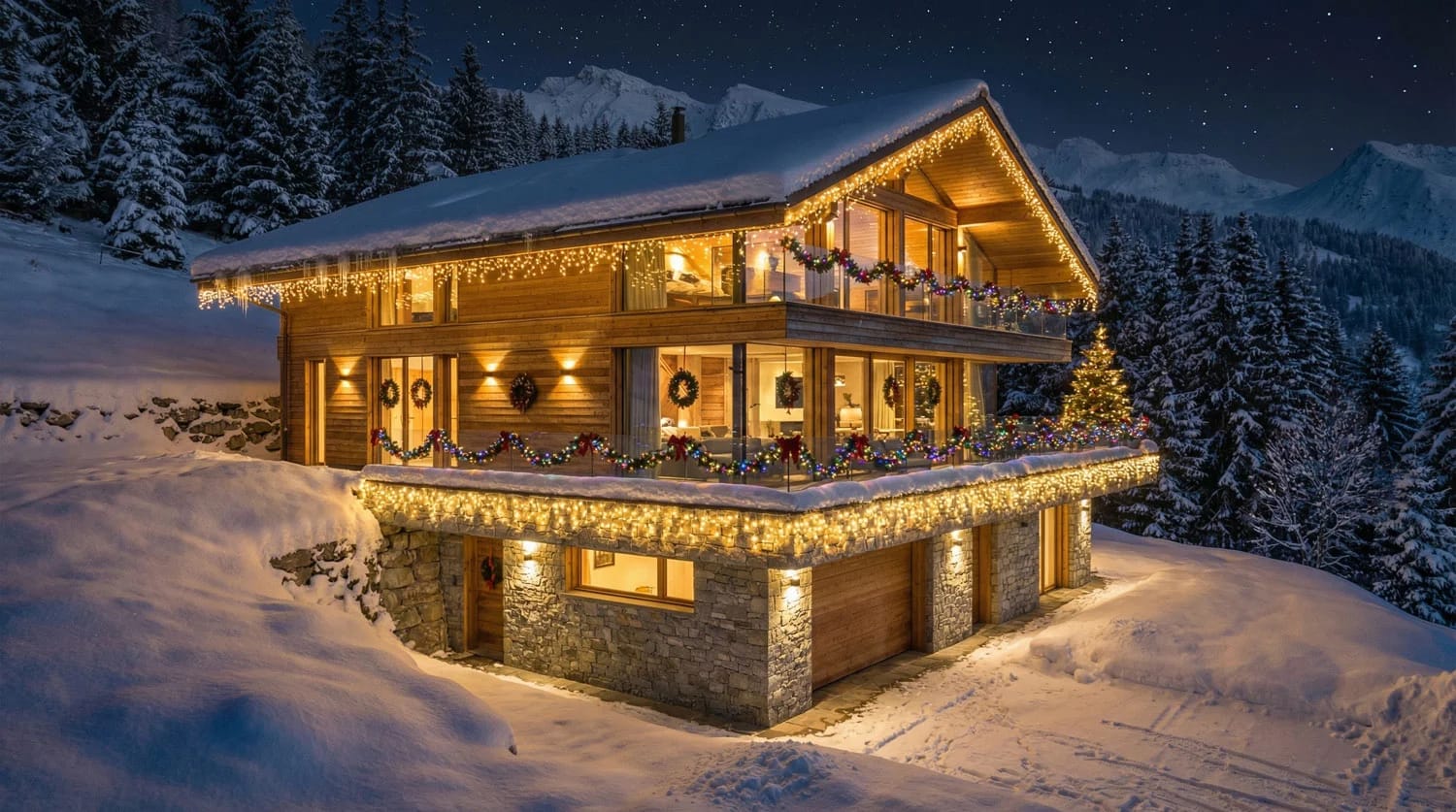
Merry Christmas
Merry Christmas and best wishes for the new year 2026. As a thank you, all new users who register by December 31, 2025, and complete a plan will automatically receive double credits. Start the new year optimally with vizera.ai.