
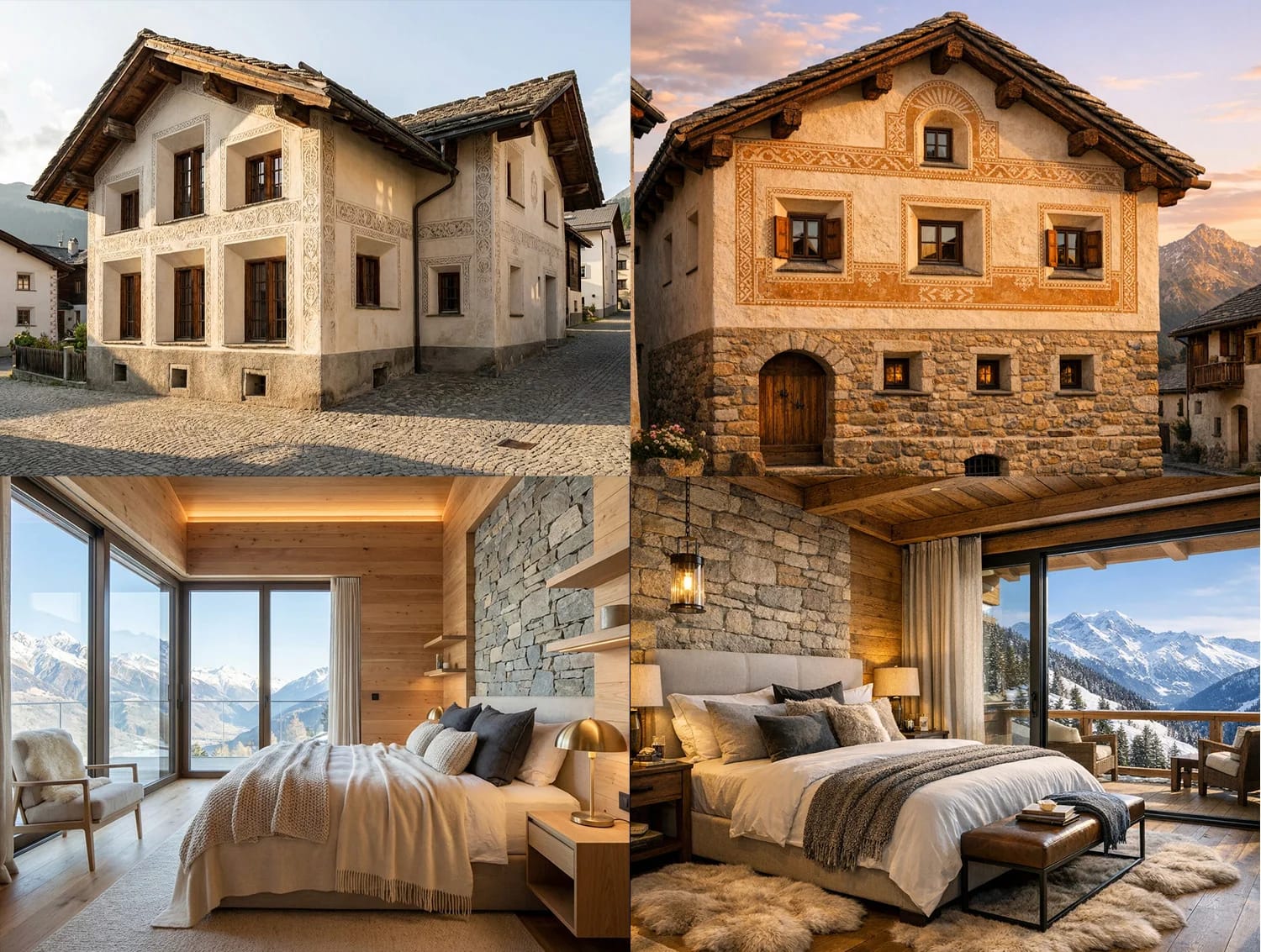
OpenAI Image Model 1.5 – Strong in Quality, but with Clear Limits for Architecture
OpenAI Image Model 1.5 impresses with good image quality and significant advancements. However, there are clear limitations for professional architectural visualizations regarding aspect ratios, resolution, and generation speed. Currently, other AI models remain the better choice for architectural workflows.
With OpenAI Image Model 1.5, OpenAI has made another significant leap in the field of AI-based image generation. Of course, we have thoroughly tested the model and compared it with other models used at Vizera.
Our conclusion upfront:
The image quality is convincing, especially for creative and illustrative applications.
However, for professional architecture and interior workflows, there are currently still relevant limitations.
In this post, we explain transparently where the strengths lie – and why we continue to prefer other models for architecture.
Image Quality: Visibly Improved
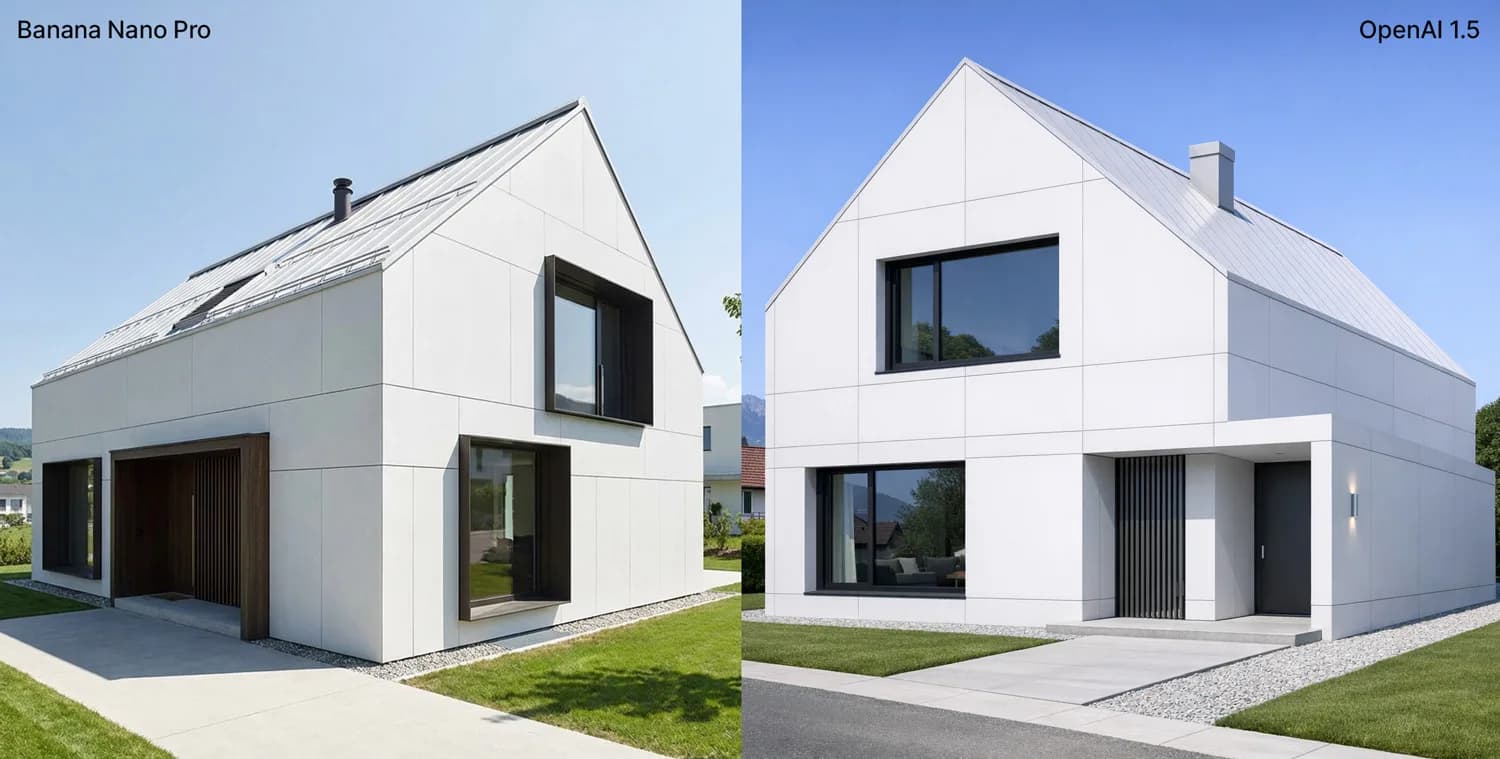
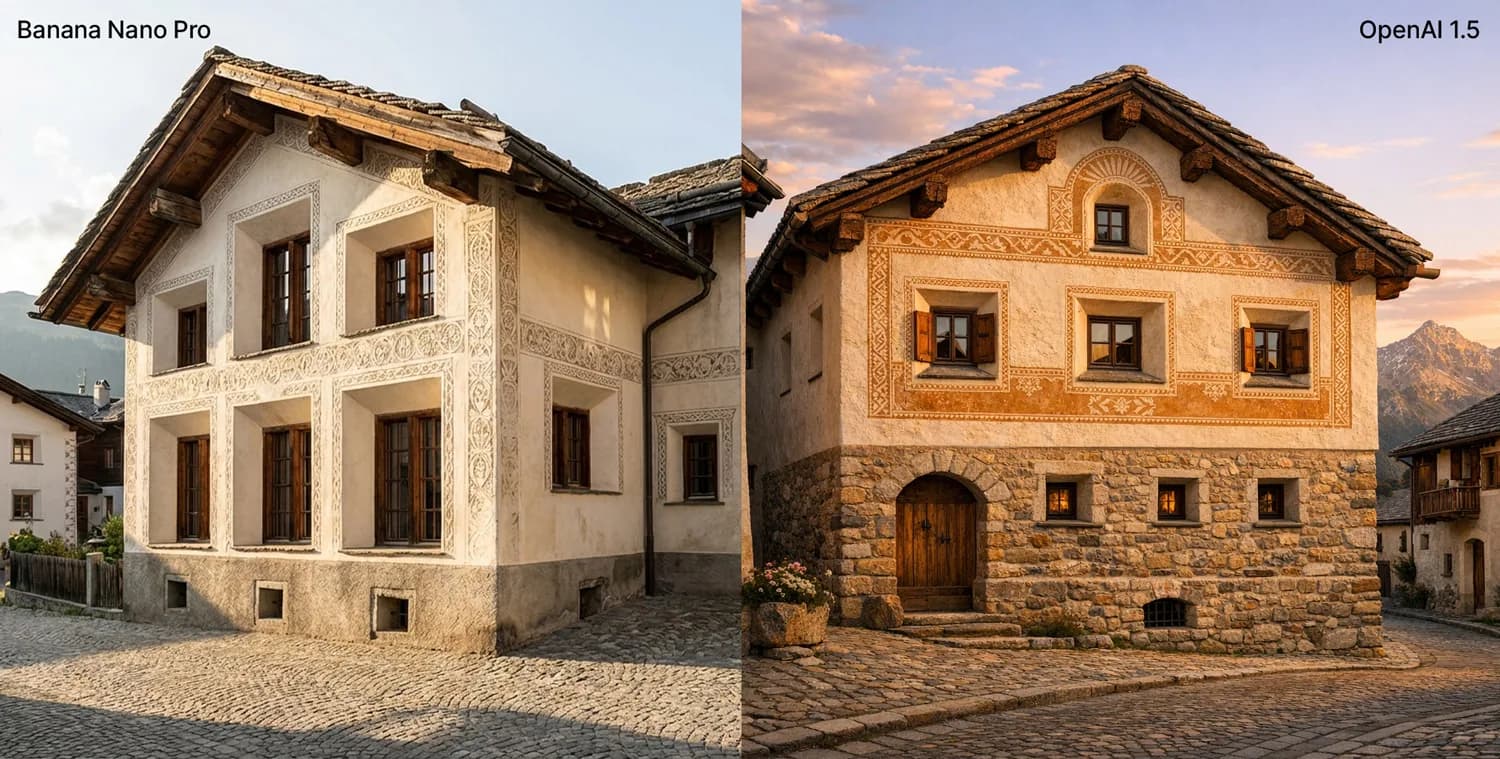
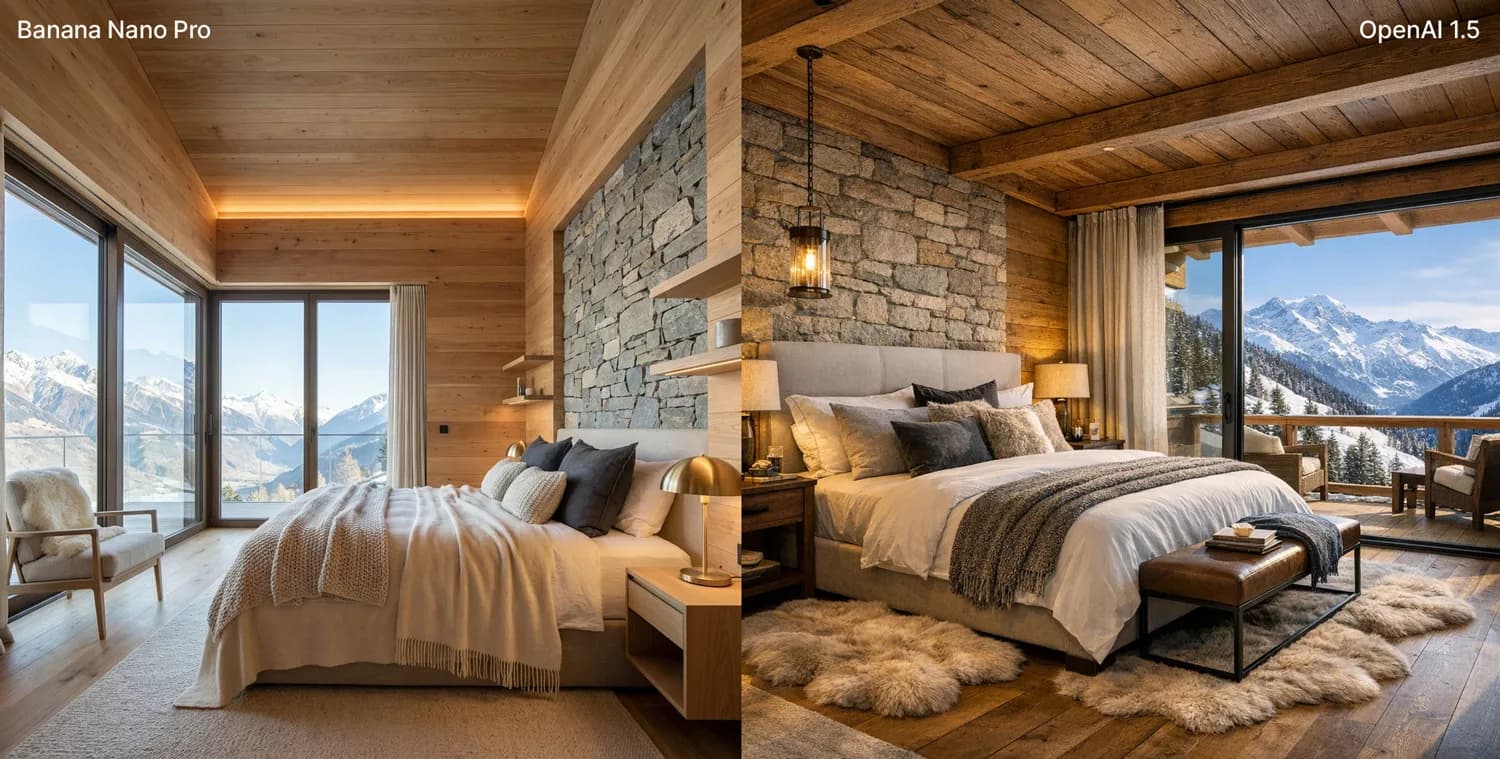
Visually, Image Model 1.5 delivers very good results:
realistic lighting mood
clean color reproduction
overall high image coherence
significantly better than previous OpenAI models
For mood images, concept visualizations, or general creative applications, the model is absolutely competitive.
Aspect Ratios: Limited Flexibility
A central point for architectural visualizations is the aspect ratio. Plans, facades, interiors, or presentation images require different formats.
Supported Aspect Ratios:
1:1 (Square): supported
3:2 (Landscape): supported
2:3 (Portrait): supported
Currently not supported are, among others:
4:3 / 3:4
16:9
9:16
21:9
Especially 16:9 and 4:3 are essential for architecture, presentations, and competitions. Here, the limitation is clearly noticeable.
Resolution: Limited for Professional Output Formats
There is also a clear limitation regarding resolution:
1K: available (square)
1.5K: available (Landscape / Portrait)
2K: not available
4K: not available
For architectural projects, 2K and 4K outputs are often necessary – whether for print, competitions, or large-format presentations.
This requirement is currently not met by Image Model 1.5.
Generation Speed: Too Slow for Iterative Workflows
A crucial factor in the daily life of architects is speed.
Our tests show:
1K output: approx. 30–45 seconds
1.5K output: approx. 50–60 seconds
For iterative processes – multiple variants, material studies, facade options – this is clearly too slow.
Especially in comparison to other models, this point is significant.
Reference Images & Control
Positively noteworthy is:
Reference images are supported
a configurable fidelity level allows for closer adherence to the original
However, there are limitations regarding:
maximum 5 reference images at high fidelity
For complex architectural projects, where multiple references (materials, typologies, contextual images) are necessary, this is limiting.
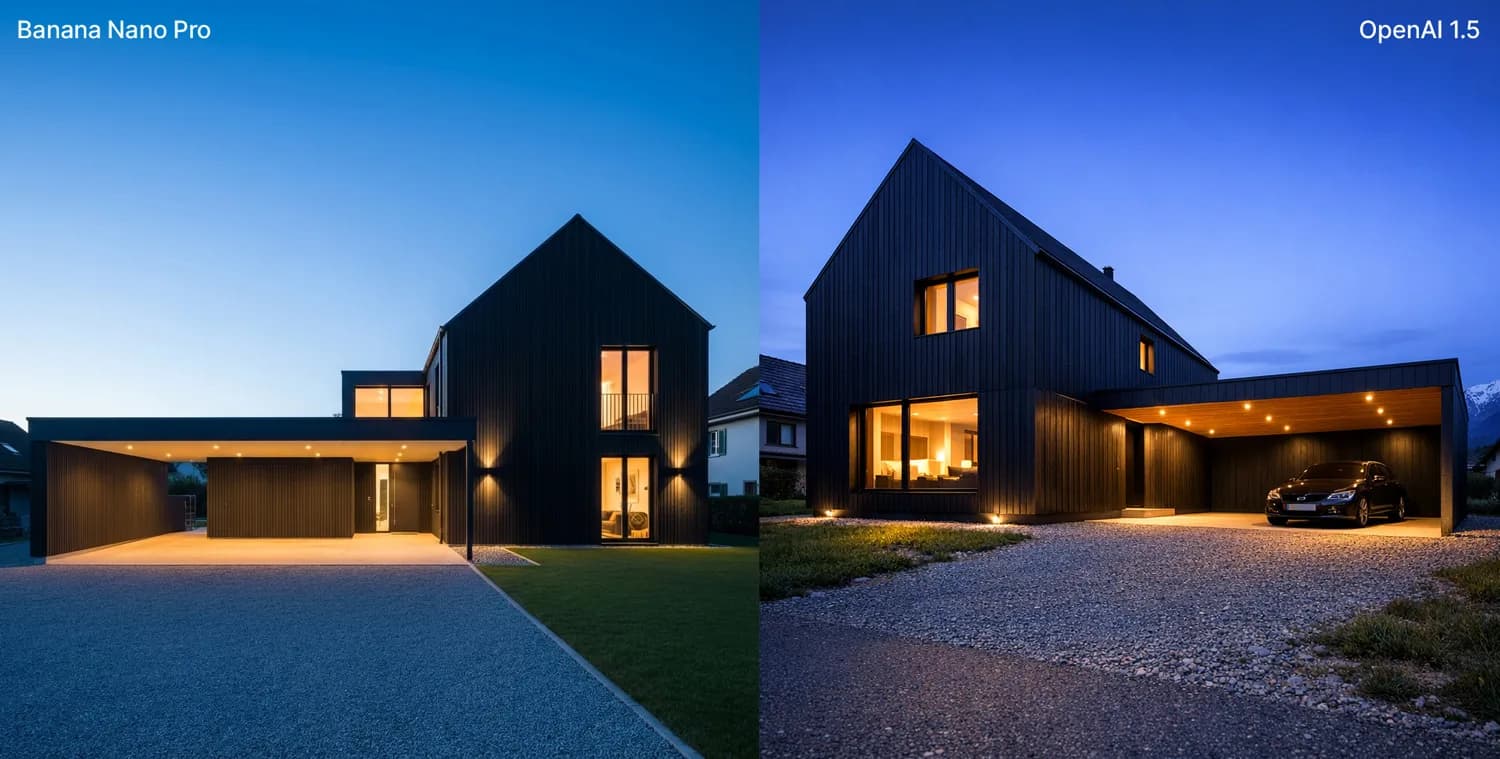
Why We Currently Prefer Other Models for Architecture
Vizera is intentionally model-agnostic. We always integrate the models that objectively deliver the best results for the respective use case.
Currently, the following points speak against Image Model 1.5 as the primary model for architecture and interior design:
restricted aspect ratios
missing 2K and 4K outputs
slow generation times
limited scalability for professional workflows
Other models we use offer:
significantly higher flexibility in formats
better resolutions
faster iterations
higher reliability in proportions and spatial logic
Our Conclusion
OpenAI Image Model 1.5 is a powerful model with clear advancements.
For creative applications, it is already very well suited.
However, for professional architectural visualization, it currently does not meet all the requirements that architects need in their daily work.
We are closely monitoring its development – and as soon as an OpenAI model meets these points, it will of course be integrated at Vizera.
Our commitment remains unchanged:
Always the best model for architecture – regardless of the provider.
Enjoyed this article?
Share it with your network and help others discover Vizera AI.
Read More ArticlesRelated Articles
Read More Articles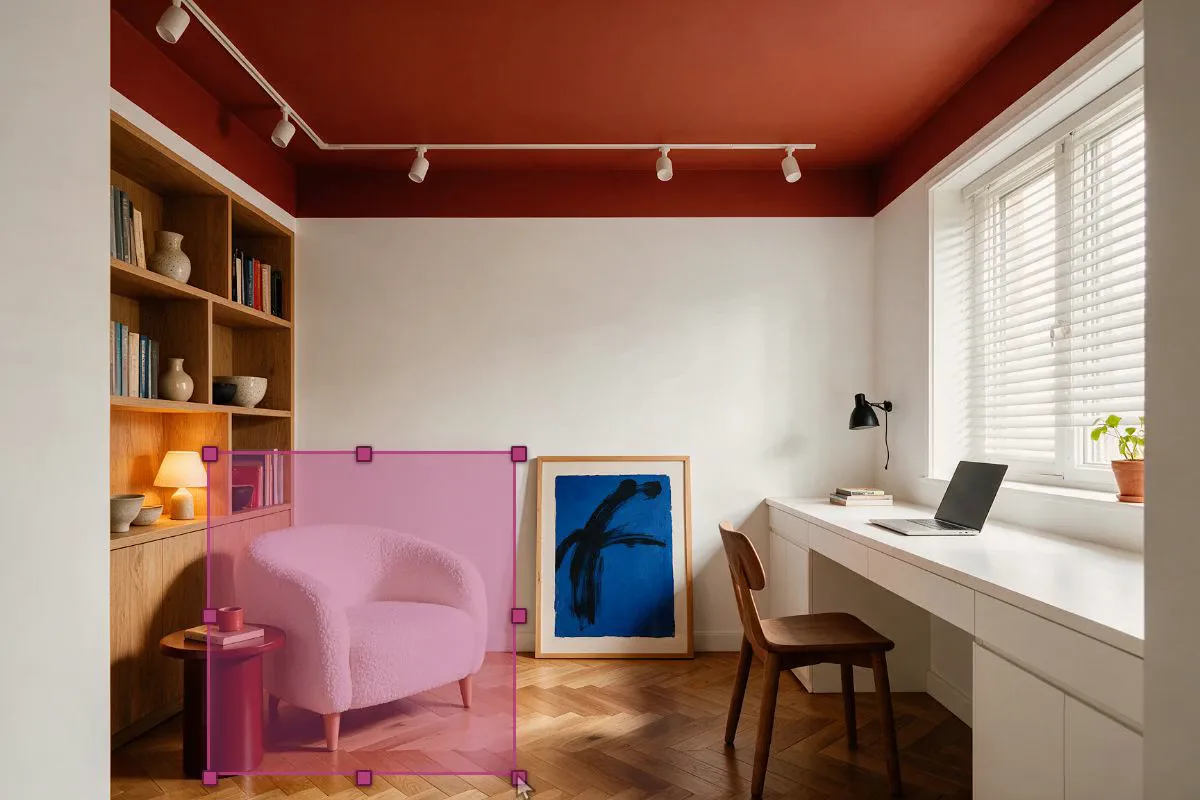
New in Vizera: Masking — change one detail, not the whole image
With the new masking you change exactly the marked area — furniture, materials, plants or people. Perspective, architecture and lighting stay untouched.
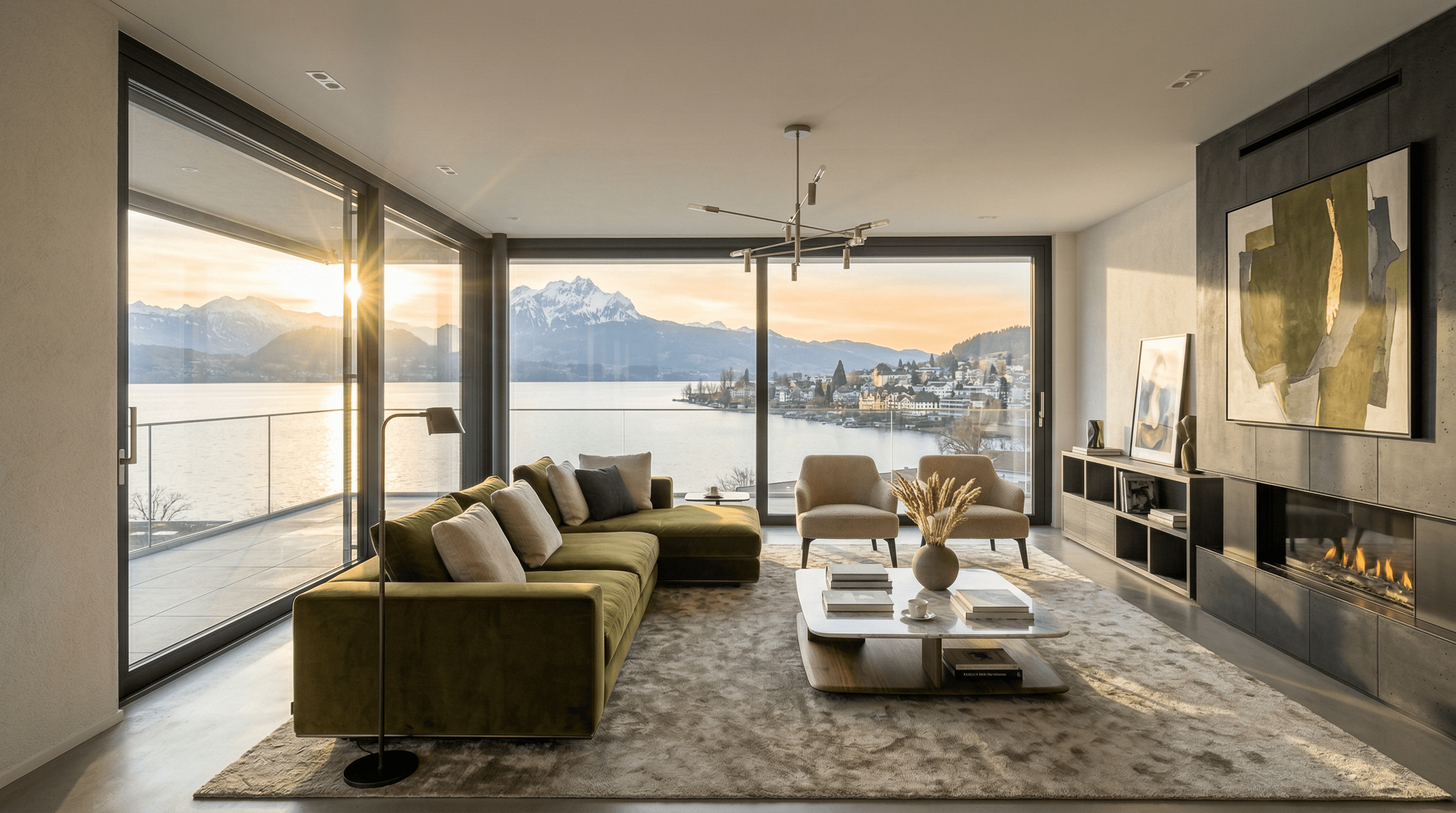
Banana Nano 2 Now on Vizera AI – How We Use Google's New Image Model
Vizera AI is among the first platforms to integrate Google's latest image model Banana Nano 2. Even more precise architecture visualizations, 4K resolution and real-time rendering – made in Switzerland.
Merry Christmas
Merry Christmas and best wishes for the new year 2026. As a thank you, all new users who register by December 31, 2025, and complete a plan will automatically receive double credits. Start the new year optimally with vizera.ai.